
Challenges and Risks of Filming in Asia

Updated: Jul 13
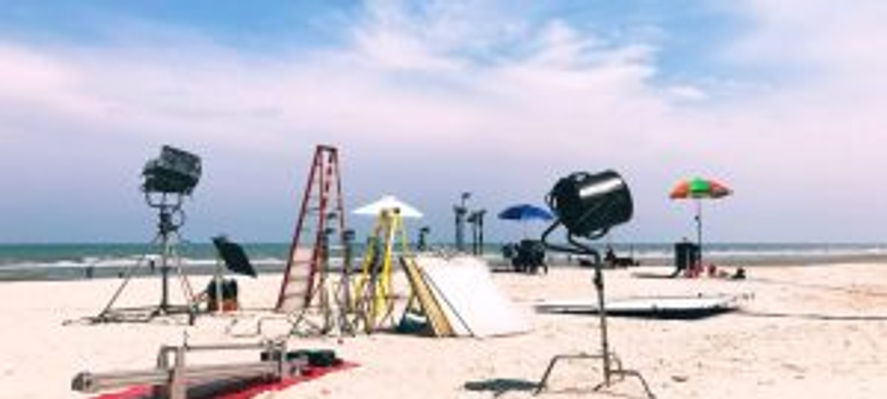
Filming in Asia has become increasingly popular due to its stunning landscapes and rich cultural heritage, which offer unique backdrops for movies and shows. For example, the show ‘The White Lotus’ showcases the diverse locations and cultures of Thailand.
However, filming in Asia presents various challenges and risks that must be carefully considered. Cultural differences, local regulations, environmental conditions, and common filming risks can all impact the filming of projects in Asia.
Understanding these potential challenges is essential to minimise risks and complete the film project with the fewest accidents and issues. Hence, the article will highlight the main challenges and risks of filming in Asia.
In addition, the article will explain how to address the risks of filming and whether insurance is the best option.
What is Film Insurance?
Film insurance is a vital policy for any film project, whether a short, a feature, or a TV show. It protects against unexpected issues, such as liability lawsuits, equipment damage, production delays, or cast injuries and illnesses, and covers the associated costs.
The policy enables filmmakers to recover from accidents and various risks, preventing substantial financial loss or production shutdown. It can be a lifesaver when filming in Asia or anywhere in the world.
Challenges and Risks of Filming in Asia
Unpredictable Weather
Filming in Asia allows filmmakers to access some of the world’s most beautiful locations. From the stunning rice terraces of Bali to the busy streets of Hong Kong, these locations offer unique backdrops that can enhance any project.
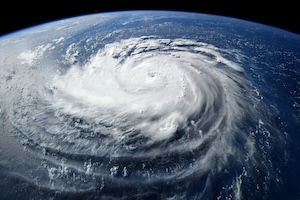
However, Asia is also known for its unpredictable weather. The region is prone to typhoons, earthquakes, and tsunamis, which can disrupt filming schedules and destroy filming equipment.
For example, the famous movie ‘Avatar’, which changed cinema, was severely delayed due to the March 11 earthquake and tsunami in Japan. This resulted in a schedule change and an immense financial loss. Even with the most detailed planning, weather delays and damage can often not be avoided.
Thankfully, film insurance covers the costs related to production delays and equipment damage. The insurance reimburses the financial loss, helping filmmakers recover and resume filming.
Public Injuries or Property Damage
Filmmakers must ensure they respect local property and the environment during their projects. Accidental environmental or property damage can have serious consequences. If a filmmaker destroys a local landmark, injures the local public or harms wildlife, it can upset the community and damage the film’s reputation.
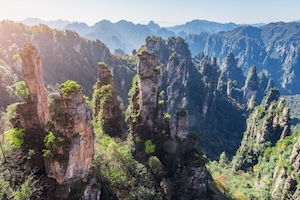
For example, an uncontrollable explosion during the filming of ‘The 5th Wave’ damaged several buildings. When any property is damaged, the public is injured, or the environment is affected, the affected party can sue the producer.
Film insurance can be a blessing when dealing with accidental public liability issues. The policy covers the costs associated with public liability lawsuits, such as legal fees, damage cleanup, medical expenses, and compensation costs.
Cast and Crew Injuries or Illness
Filming in Asia can be an exciting adventure for cast and crew members. While performing their jobs, they have the opportunity to experience vibrant cultures and breathtaking landscapes. However, working in such diverse environments also presents challenges.

One major risk is health and safety. Crew and cast members can easily fall seriously ill from trying local foods or may contract diseases like dengue fever, especially in tropical areas. Filming in remote locations can also lead to injuries, including falls, equipment accidents, and extreme weather.
For instance, during the filming of ‘The Hangover Part II’ in Thailand, there were incidents where crew members fell drastically ill due to exhaustion and food poisoning, leading to hospitalisation.
Thankfully, film insurance will cover the risks of filming in Asia. The policy will cover the costs of delay, medical expenses, and any financial loss related to injuries or illnesses of the crew and cast.
Liability Lawsuits

Filmmakers must ensure that they accurately represent the local culture. Misrepresentations can lead to cultural appropriation and community backlash. Such errors can lead to lawsuits and damage the project’s reputation and credibility.
For example, the Oscar-winning movie ‘Slum Dog Millionaire’ offended many Indians because it poorly represented India and specific communities. It faced many defamation lawsuits and was welcomed into Indian cinemas with a sour note.
When integrating Asian culture into a project, especially as a foreign producer, it’s essential to consult local experts. This collaboration can help avoid potential mistakes and save millions in lawsuits. Fortunately, film insurance can cover the risk of lawsuits resulting from errors, infringement or accidental defamation. The policy covers legal costs and any potential settlement payout. However, it does not cover income loss due to the lawsuit.
Why Insurance is Vital When Filming in Asia?
Filming in Asia can be a fantastic experience and great for a project, but it also comes with many risks. Film insurance offers essential benefits against unexpected issues and maintains safety on set.
The main benefit is financial coverage. Filming risks and accidents can be extremely expensive, but with insurance, producers can recover with a greatly reduced financial loss.
Film insurance and financial coverage allow filmmakers to recover quickly and keep the project moving forward. Even if something goes wrong, there is financial support to manage the situation effectively.
Additionally, insurance provides invaluable peace of mind even before any incident occurs. Filmmakers can focus on their creative work without constant worry about every step or scene.
Film insurance is a valuable investment in protecting a production and ensuring its success during filming in Asia.
To learn more about film insurance and protect projects and everyone involved when filming in Asia, contact Red Asia Insurance.


Comments