
Domestic Helper Injuries That Employers Are Responsible For

Updated: 4 days ago

Domestic helpers play a vital role in many Hong Kong households, managing household chores and caring for children and elderly individuals. However, injuries are a risk, leading to significant medical expenses and liability issues. Employers are responsible for their helpers’ safety and must cover any work-related injury costs. By understanding the potential risks, employers can implement measures to reduce incidents and develop effective risk management strategies.
The article will highlight domestic helper injuries that can result in hefty bills that employers are liable to pay.
Common Domestic Helper Injuries
Slips and Falls
Slip and fall injuries are common domestic helper injuries, especially in slippery areas like kitchens and bathrooms. These accidents can cause serious injuries, including broken bones, sprains, and bruises. Such injuries can significantly impact a helper’s ability to perform their duties and carry out daily tasks.
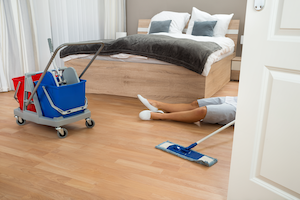
Medical expenses resulting from slip-and-fall injuries can be costly, creating a surprising financial burden for the employer. From hospital visits to emergency treatment, the costs can quickly add up, making it essential to reduce the chance of injury.
To help prevent slips and falls, employers should ensure that helpers wear proper non-slip footwear to provide a better grip on wet surfaces. Additionally, a clutter-free home is crucial in creating a safer working environment throughout the day. These injuries can occur in any home or even outside; either way, the employer will be liable to assist their employee.
Falls from Heights
One of the most serious domestic helper injuries is falling from heights. These falls can occur when domestic helpers clean windows or outdoor areas without any protection. They can lead to serious injuries, such as broken bones, head injuries, or even fatalities.

Fall injuries can result in substantial medical or even legal expenses for the employer. If a fall unfortunately leads to death, the employer is responsible for arranging and paying for the body’s return to the helper’s home country. Employers must do their best to prevent the slightest chance of these injuries, but unfortunately, they have occurred in Hong Kong.
Employers should instruct helpers never to climb outside windows or take unnecessary risks. Proper training on safe practices and encouragement of caution can help protect helpers from dangerous situations while they perform their duties.
Cuts & Burns
Many of a domestic helper’s duties occur in the kitchen, where risks can be high. Cuts and burns are another common domestic helper injury that helpers can face while working in the kitchen. Handling kitchen knives, glassware, or sharp objects can easily lead to cuts, while cooking with hot appliances poses a risk of burns from hot surfaces, boiling water, or splattering oil.

These injuries may require urgent medical attention, resulting in high costs for employers. Employers want to provide the best recovery, but it can be expensive. From doctor visits to recovery time, the expenses can quickly add up, creating financial challenges if injuries occur.
Employers should not rush helpers while they work to reduce the risk of cuts and burns. Instead, they should encourage a safe pace and remind them to be cautious when handling sharp objects or hot items in the kitchen. Employers should also act promptly when these injuries occur to minimise the risk of further injuries or infections.
Lifting Injuries
Lifting muscle injuries are common among domestic helpers who handle heavy objects, such as furniture or large bags of groceries. These injuries can occur when a helper uses improper lifting techniques or lifts beyond their capacity. The strain on muscles and the spine can lead to serious issues, such as muscle tears, hernias and slipped discs.

These injuries can occur at any point in their work and should be treated as soon as possible. The longer medical attention is ignored, the worse the injury can get.
When a domestic helper suffers a lifting injury, treatment and, in severe cases, surgery may be required. The costs associated with these injuries can be significant and must be paid by the employer, including surgery, consultation fees, and rehabilitation.
To prevent lifting injuries, employers should inform helpers that they are not expected to lift heavy objects when performing their duties. Encouraging them to take breaks and rest when needed can help reduce the risk of injury and keep them safe while working.
Additionally, helpers should feel comfortable enough to inform their employer if they experience a muscle strain and believe they have been injured.
Heat Exhaustion
Heat exhaustion is a domestic helper injury that can affect helpers, especially in the hot and humid climate of Hong Kong. It often occurs when helpers spend long hours outdoors performing tasks they have been ordered to do. The combination of heat and long work hours can lead to overheating, resulting in symptoms such as extreme fatigue, dizziness, and nausea.

If heat exhaustion is not treated in time, it can progress to heatstroke, a more severe condition that can cause headaches, illness, and even fainting. Heatstroke requires immediate medical attention to minimise the risk of serious complications and potential long-term consequences.
Employers should encourage helpers to take regular breaks in shaded or air-conditioned areas to help prevent heat exhaustion. Providing sun safety gear, such as hats and sunscreen, can also protect against harsh sunlight. It is also essential that they stay hydrated with water throughout the day.
How Insurance Can Cover Domestic Helper Injuries
Domestic helper insurance is a vital policy that covers domestic helper injuries and other risks of hiring helpers in Hong Kong. This insurance will cover costs such as medical expenses, rehabilitation costs, repatriation expenses, and possible helper replacement costs if an injury forces a helper to leave.
For employers, having this insurance is beneficial as it helps protect against financial burdens associated with medical bills and liabilities. It ensures that domestic helpers receive the care they need without putting a strain on the employer’s finances.
In Hong Kong, insurance for domestic helpers is mandatory. However, it’s crucial to choose a comprehensive policy that covers a wide array of risks, not just the basic requirements. For instance, comprehensive domestic helper insurance will also cover the costs of protecting the policyholder against crimes committed by the helper.
Domestic helper insurance can cover a range of domestic helper injuries and offer peace of mind for both employers and their helpers.
To learn more about domestic helper insurance and cover possible domestic helper injuries, contact Red Asia Insurance.


Comments