
The Impact of Climate Change on the Global Supply Chain


In recent years, several unusual weather patterns and disasters have proven that climate change is real and poses a growing risk. It should be a major global concern for the public and businesses.
Climate change has a prominent impact on the global supply chain, affecting businesses and economies worldwide. It is one of the top factors impacting the supply chain, followed by geopolitical risks and cyberattacks.
The supply chain is the process of producing and distributing goods. It includes any business that stores, imports, exports, and distributes resources and products. All businesses worldwide are directly or indirectly connected to the global supply chain.
Therefore, every business must understand how climate change is affecting the supply chain and how it may eventually impact its operations. The impact is much more than rough seas or cloudy skies.
This article will discuss the impact of climate change on the global supply chain and whether the risk can be managed.
Impact of Climate Change on the Supply Chain
Increase in Natural Disasters
Natural disasters can include floods, hurricanes, typhoons, wildfires and more. In just one and a half months, we have seen several natural disasters, from wildfires in California to intense earthquakes in Japan. The impact of climate change has proven that natural disasters are becoming more frequent worldwide.

According to the Emergency Events Database (EM-DAT), the number of natural disaster incidents increased from 39 in 1960 to 399 in 2023. Each natural disaster negatively affects lives, countries, and economies.
The increase in natural disasters plays a big part in the supply chain. These disasters can seriously damage production facilities, shut down the manufacturing process, and affect various suppliers, buyers, and distributors.
Unfortunately, a logistics company cannot do much if a natural disaster occurs at its production or distribution location. Buyers should ensure they have a range of suppliers and options in case a natural disaster hits their leading supplier to avoid significant disruption in the supply chain.
Being prepared and having risk management strategies in place beforehand can help manage natural disasters effectively.
Lengthier Routes
Climate change is increasing concerns for the logistics industry due to more extreme weather events. There is always the risk of rough seas and unclear air routes, which can occur anywhere in the world. The weather has become even more unpredictable and dangerous.

Freight forwarders responsible for transportation routes must plan the safest routes. Therefore, when planning supply chain routes, forwarders must avoid high-risk routes with drastic weather to protect the vessel and cargo.
For example, in 2024, there was a severe storm on the coast of South Africa that forced various vessels to avoid that route or area. Vessels had to either delay their shipment or take a different path.
The impact of climate change on the supply chain is longer routes and some delays. Adjusting these routes is essential to minimise the risk of disasters and protect costly essential resources. Embracing these changes can lead to safer journeys and reduce the chance of disruption.
Higher Chance of Damage or Loss
Another impact of climate change on the supply chain is increasing cargo and business property damage or loss. Natural disasters and extreme weather create a wide range of property damage risks at business locations or on the route.

Severe weather is the primary cause of cargo loss, especially at sea. Over 90% of the world’s trade is transported by sea, so weather significantly impacts cargo safety. Extreme weather can lead to rough seas that challenge the stability of the packed cargo, forcing it to fall into the sea and float away or damage it due to water.
In addition, climate change can also result in surprisingly low temperatures, which can and do cause frosty and slippery roads and lead to cargo truck accidents, especially in the US.
Suppliers and buyers must be aware of and prevent the impact of climate change on the supply chain. Companies can enhance cargo container packaging and handling methods to prevent cargo from shifting, ensure an even cargo weight distribution, and store cargo in high-quality warehouses. These accidents can never be predicted and could occur at any transport vessel.
Rise in Supply Chain Disruption
The above three factors are impacts of climate change on the supply chain, resulting in disruptions. These disruptions affect not only companies in the supply chain but also every company and the worldwide economy. Over time, unpredictable climate incidents will cause more disruptions and financial loss.
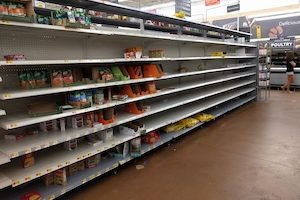
For example, flooding in China greatly affected global supply chain operations. Various industries that relied on China for resources were affected. The damage to the rice crop field cost 2.25 billion yuan ( US$348 million). China’s estimated economic losses from flood-related events are $25 billion. Even the giant automobile company Nissan was forced to shut down its factory in Zhengzhou, capable of producing 600,000 cars a year.
This is just one example of an event impacting the global economy; numerous incidents have occurred, and more will arise. Companies that depend on only one supplier may be most affected by such disruptions; hence, it is vital to research and experiment with multiple suppliers.
Unfortunately, suppliers and manufacturers affected by the disaster and causing supply disruptions may lose clients and be forced to shut down. Suppliers must have some form of protection and risk management strategy, even if the risk seems unlikely. With climate change, any continent, country or city could be in danger.
Increase In Insurance Premium
When the impact of climate change on supply leads to damage and loss, most companies can call on their insurance. Every company involved in the supply chain must have some form of insurance. When a business has the correct insurance combination, its financial loss can be covered.

Insurance can help cover property damage, cargo damage, or loss. One impact of climate change on the supply chain is the increase in insurance premiums. Due to the rise of unpredictable incidents, companies may need to pay more for their insurance to get the best coverage.
The rise in insurance premiums is necessary for the insurance industry to be able to help its policyholders as much as possible. Higher premiums mean insurance companies can provide a larger reimbursement payout to repair or replace property, cargo, or even liability lawsuits.
Companies may be concerned about the rise in payments, but in times of crisis, it will be worth it. For instance, warehouse owners will be able to cover the financial loss of repairing and replacing cargo and the building itself after a natural disaster.
What Insurance Policies Reduce the Impact of Climate Change On The Supply Chain?
Several insurance policies are vital to companies involved in the supply chain. Insurance is the best way to recover from the impact of climate change and the costly financial losses that follow.
The type of insurance companies to purchase depends on their purpose in the supply chain and their associated risks. The following are the top insurance policies that may benefit companies in the supply chain (logistics industry).
Cargo insurance: The policy covers the risk of cargo damage or loss during transportation from A to B. It covers the cost of repair, replacement and general average. Depending on the agreed-upon Incoterms, both suppliers and buyers are required to have cargo insurance.
Property All-Risk Insurance: The policy will cover property damage to business property, including equipment and buildings. The insurance should be purchased by any business that has a business location, such as warehouses and factories.
Freight Forwarder Liability Insurance: The policy covers freight forwarders’ liability in case of lawsuits due to negligence or errors. FFL insurance will cover legal, compensation settlement and general average costs. The protection is a must for all freight forwarders and transport companies.
Insurance provides policyholders with the financial coverage and peace of mind needed to address the various impacts of climate change on the supply chain.
To learn more about business insurance policies that can help your industry deal with the impact of climate change, contact Red Asia Insurance.


Comments