
Why Do Exporters in Asia Need Trade Credit Insurance?

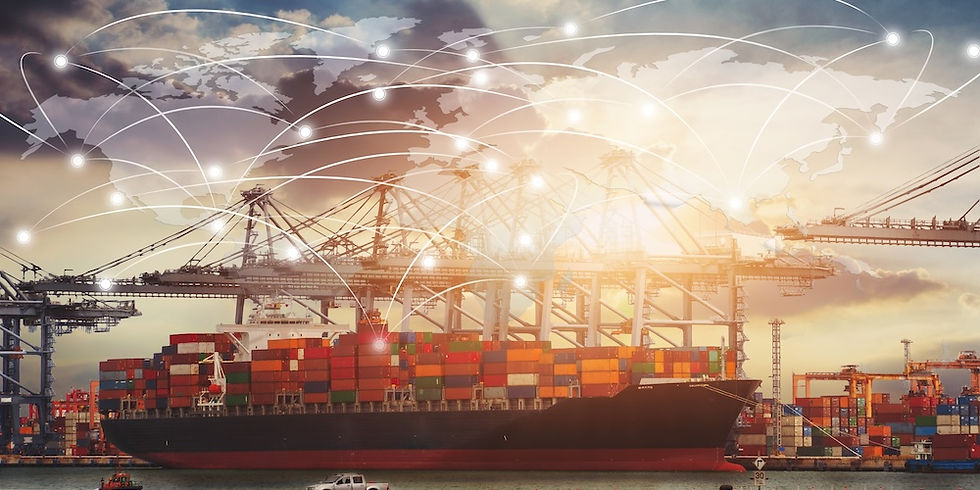
Exporters across Asia often offer 30, 60, or 90-day credit terms to remain competitive. While this helps secure international business, it also creates significant risk if buyers delay payment, become insolvent, or are unable to transfer funds due to political events. Trade credit insurance protects exporters against these risks and helps maintain stable cash flow.
Exporters' trade credit insurance is crucial for Asian exporters seeking safe growth without risking significant bad debt.
What is Trade Credit Insurance?
Trade credit insurance protects exporters in Asia against customer non-payment, insolvency, prolonged payment default, and certain political risks. It helps businesses maintain cash flow, expand into new markets, and reduce losses from unpaid international invoices.
Key Risks Faced by Exporters in Asia
Delayed Payments: Overseas buyers may pay invoices late due to local cash flow issues, market downturns, or currency restrictions.
Foreign Buyer Insolvency & Bankruptcy: Importers or distributors may suddenly collapse or enter liquidation, making unpaid invoices unrecoverable.
Cross-Border Collection Complexity: Recovering unpaid debt in foreign jurisdictions is often difficult, costly, and subject to unfamiliar bankruptcy laws.
Geopolitical & Political Risks: Trade embargoes, import license revocations, or currency transfer restrictions may prevent buyers from remitting funds abroad.
Financial Instability: Unpaid receivables can restrict cash flow, making it harder to pay suppliers, fund production, or obtain bank credit.
Reasons Exporters in Asia Need Trade Credit Insurance
Protects Against Client Bankruptcy Non-Payment Risks

Exporters in Asia face significant risks of not being paid when shipping goods to overseas buyers, especially in unstable economic conditions. If a client goes bankrupt, exporters may never receive payment for their goods. When major overseas retail buyers suddenly collapse into liquidation, they leave Asian suppliers holding millions of dollars in completely uncollectible invoices
For example, when luxury retail giant Saks Global filed for Chapter 11 bankruptcy in early 2026, it left top fashion houses and Asian apparel manufacturers holding hundreds of millions in unpaid open-account invoices
Exporters trade credit insurance provides direct coverage against unpaid business invoices. If a buyer becomes bankrupt or fails to pay after the agreed grace period, the policy covers up to 75% to 90% of the invoice value, protecting cash flow from bad debt.
Protection from Delayed Payments
When a foreign buyer faces insolvency or bankruptcy, payment delays are common and often unpredictable. For exporters in Asia operating on 60 or 90-day payment terms, such delays can cause serious cash flow problems. Exporters may struggle to pay their own suppliers and employees on time, creating a chain reaction that disrupts their entire business operations.
In fact, a company in Indonesia called Garuda collapsed under US$9.8 billion in debt and froze all supplier payments in 2021. The company finally settled with its suppliers through a court-approved restructuring in late 2022 and 2023.
Trade credit insurance helps exporters manage the risk of payment delays caused by a buyer’s insolvency. The policy sets a specific waiting period for overdue invoices. If payment is still not received after this period, the insurance pays out the claim, allowing exporters in Asia to maintain stable cash flow and continue business operations without major disruption.
Expand Into New Markets With Confidence

Expanding into foreign markets brings major opportunities, but it also comes with significant risks for exporters. Many Asian exporters hesitate to sell to a wider range of international clients because they worry they may not get paid if a buyer becomes insolvent. Fear of credit nonpayment often leads businesses to turn down lucrative export orders or limit international growth, even when demand for their products is strong.
Exporters' trade credit insurance gives exporters financial support to expand their client portfolios with confidence. Trade credit insurers assess the financial strength of buyers and establish appropriate credit limits. This information allows exporters in Asia to make calculated decisions and enable them to enter new markets without ongoing concerns about unpaid invoices.
Protects Against Political Disruption
Exporters in Asia face major risks when shipping goods internationally, especially to emerging or unstable markets. Political events like war, sudden government changes, or currency transfer blocks can make it impossible for buyers to pay, even if they want to. These risks are outside the control of both exporter and buyer and can lead to serious financial losses for exporters.
For instance, during Sri Lanka's severe 2022 economic crisis, foreign currency shortages forced the central bank to freeze outward US dollar transfers, legally blocking solvent local importers from remitting payments to Asian suppliers
Exporters' trade credit insurance includes political risk extensions that cover non-payment caused by government interference or currency inconvertibility. This protection helps Asian suppliers avoid significant financial losses from distant geopolitical events.
Benefits of Trade Credit Insurance for Asian Exporters
Cash Flow & Profit Protection: Shields your business from unexpected buyer bankruptcies, helping you avoid severe financial setbacks and keep your balance sheet healthy.
Market Expansion Confidence: Safely enter new growing markets and connect with new buyers without fear of total payment failure.
Real-Time Credit Intelligence: Access insurer databases that continuously track the financial health and bankruptcy risks of millions of foreign buyers.
Which Businesses Need Exporters Trade Credit Insurance?
Any business that offers credit terms to customers or buyers should consider trade credit insurance. Examples of companies and professionals that need trade credit insurance includes:
Manufacturers
Trading Companies
Apparel Exporters
Electronics Suppliers
Food Exporters
Industrial Equipment Manufacturers
Automotive Components Suppliers
Trade Credit Insurance Coverage Summary
Coverage Area | What Is Covered? | Why Exporters in Asia Need It? |
Non-payments | Formal bankruptcy, liquidation, or receivership of your foreign customer. | Keeps your business running smoothly when a long-time buyer suddenly goes bust. |
Delay Payments | Long delays where a solvent buyer simply refuses or fails to pay on time. | Ensures steady cash flow even when clients drag their feet or raise late payment disputes. |
Political Risks Non-payments | Government trade bans, currency transfer blocks, or cancelled import licenses. | Protects your invoices when selling into markets prone to sudden political shifts. |
Exporters Trade Credit Insurance FAQs
Does Trade Credit Insurance replace standard Cargo Insurance?
No, they do two completely different jobs. Cargo insurance covers physical damage or loss while goods are in transit. Exporters trade credit insurance covers the financial risk of non-payment or buyer bankruptcy after your goods arrive safely at the warehouse.
Do I have to insure every single one of my clients?
Not always. While insurers prefer covering your whole buyer portfolio to spread out risk, you can often tailor policies to cover specific key accounts, larger orders, or higher-risk export markets.
How much of the unpaid invoice amount do insurers usually pay out?
Most trade credit policies reimburse between 75% and 90% of the net invoice value. This ensures exporters in Asia recover their core manufacturing costs and keep their business financially stable.
To learn more about exporter trade credit insurance and protect your company’s balance sheet and future transactions, contact Red Asia Insurance.


Comments