
Why is Cargo Insurance Vital for Hong Kong Logistics Companies

Updated: Sep 1
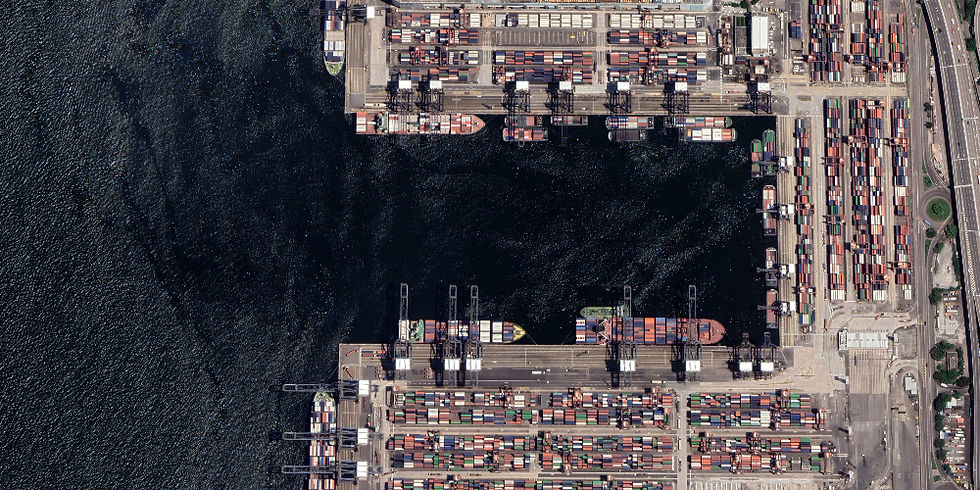
Running a trading, manufacturing, or import-export business in Hong Kong involves managing complex global supply chains. Regardless of your shipping method, your inventory is exposed to risks such as rough seas, port accidents, and cargo theft. These unforeseen events can result in significant financial losses. To protect your commercial inventory from origin to destination, it is essential to secure comprehensive cargo insurance.
What is Cargo Insurance?
Cargo insurance is a specialised business insurance policy that protects businesses against the financial loss or physical damage of goods while they are in transit via sea, air, road, or rail. Also known as marine cargo or shipping insurance, it covers commercial inventory against risks such as severe weather, vessel collisions, loading accidents, theft, and General Average claims from origin to final destination.
Key Risks During Cargo Transit
Ocean and Maritime Risks: Shipping goods by sea exposes cargo to severe weather, vessel collisions, rough seas, and the risk of containers being lost overboard.
Loading and Handling Mishaps: Transferring heavy freight at ports, warehouses, and transport hubs increases the risk of dropping, crushing, or damaging goods.
Theft and Pilferage: High-value goods, electronics, and consumer products stored in transit or container yards are frequent targets for theft, hijacking, and pilferage.
General Average Declarations: Under maritime law, if a ship captain intentionally sacrifices part of the cargo or incurs extraordinary expenses to save a vessel in peril, all cargo owners share the financial burden proportionally.
Temperature and Climate Damage: Transporting sensitive items such as pharmaceuticals, perishable foods, or technical components risks spoilage if cooling systems fail or packaging is compromised by rain.
Reasons Cargo Insurance is Essential for Hong Kong Logistics Companies
Physical Damage During Transit

Hong Kong logistics operators encounter significant environmental challenges, including severe summer typhoons in the South China Sea, high humidity, and rough handling at busy container terminals. Damage from extreme weather or transit shocks to electronics, machinery, or consumer goods can result in substantial financial losses for local businesses.
Comprehensive cargo insurance manages these risks by offering all-risk physical damage coverage, ensuring full reimbursement for repairing or replacing damaged inventory. Rather than covering losses themselves when containers are flooded or damaged at sea, businesses can depend on their policy to maintain operations and protect capital.
Theft and Loss

High-density storage warehouses and cross-border trucking checkpoints between Hong Kong and Shenzhen are frequent targets for cargo theft and organised pilferage. When high-value shipments or containers disappear in transit, local trading companies face significant inventory shortages and cannot meet customer commitments.
Cargo insurance provides essential financial protection by fully indemnifying companies against total losses, missing container contents, and cargo hijacking. This coverage helps maintain cash flow and protects commercial relationships with suppliers and buyers if inventory is stolen.
General Average Sacrifices at Sea

Hong Kong importers and exporters operating on global maritime routes are subject to the principle of General Average. This rule requires all parties with cargo on a vessel to share the costs if the captain sacrifices cargo or incurs extra expenses to save the ship. Each party must contribute proportionally, even if their own cargo is not damaged.
Cargo insurance for Hong Kong logistics companies fully covers General Average contributions. It prevents shipowners or salvors from withholding cargo or requiring large security deposits. This coverage is essential for businesses using container lines through busy international routes.
Loading and Unloading Accidents

The high volume of cargo movement at Hong Kong’s container ports and industrial warehouses often results in handling incidents, including dropped pallets, damaged crates, and forklift collisions. Warehouse staff and terminal operators manage thousands of tons of freight each day, and a single error can cause significant loss of commercial goods before they leave the port.
Cargo insurance protects against accidental damage during loading, stowing, and unloading. It manages gaps not covered by standard commercial liabilities or carrier compensation, ensuring full financial recovery for handling-related losses.
Cargo Insurance For Each Transport Mode
Transport Mode | Mode Risks | How Insurance Covers These Risks |
Ocean Freight (Sea) | Severe storms, vessel collisions, containers washing overboard, and mandatory General Average financial contributions when cargo is sacrificed to save a ship in distress. | Comprehensive all-risk maritime policies cover physical loss or damage from heavy weather and sea perils, while also reimbursing your proportional financial share of General Average salvage costs. |
Air Cargo (Air) | High-velocity tarmac handling accidents, sudden turbulence damage, airport warehouse theft, and cold-chain refrigeration breakdowns for sensitive cargo. | Air cargo insurance reimburses the full wholesale value of damaged or stolen goods resulting from airport handling mishaps, transit turbulence, or temperature control failures. |
Overland Freight (Road) | Cross-border traffic collisions, vehicle hijacking, localized cargo pilferage during truck staging, and road vibration damage to fragile merchandise. | Inland transit coverage pays for lost, stolen, or damaged inventory caused by road accidents, hijacking incidents, or transit shocks during cross-border trucking between Hong Kong and regional hubs. |
Hong Kong Logistics Company Cargo Insurance FAQs
Is Cargo Insurance Mandatory For Hong Kong Logistics Businesses?
In Hong Kong, cargo insurance is not legally required, but many professional contract agreements require it. Many manufacturers and retailers in Hong Kong will refuse to work with a logistics company that cannot show proof of comprehensive cargo cover.
What documentation is required by insurers to successfully process a damaged cargo claim in Hong Kong?
Insurers typically require the commercial invoice, bill of lading, packing list, a survey report detailing the damage inspection, and formal notices of claim issued immediately to the carrier or port authorities upon discovery.
What Is The Difference Between Cargo Insurance And Freight Liability Insurance?
Cargo insurance protects the physical goods you are moving. Freight forward liability insurance, protects your business against legal claims for errors in service, such as mistakes in customs paperwork or shipping the goods to the wrong country. Most Hong Kong logistics companies need both.
To Learn More about cargo insurance and get the best protection for your cargo, contact Red Asia Insurance.


Comments